address
1A Athinon Street, 3041
Limassol, Cyprus
opening hours
Thursday — Friday 17:00-20:00
Saturday 11:00-13:00
1A Athinon Street, 3041
Limassol, Cyprus
Thursday — Friday 17:00-20:00
Saturday 11:00-13:00
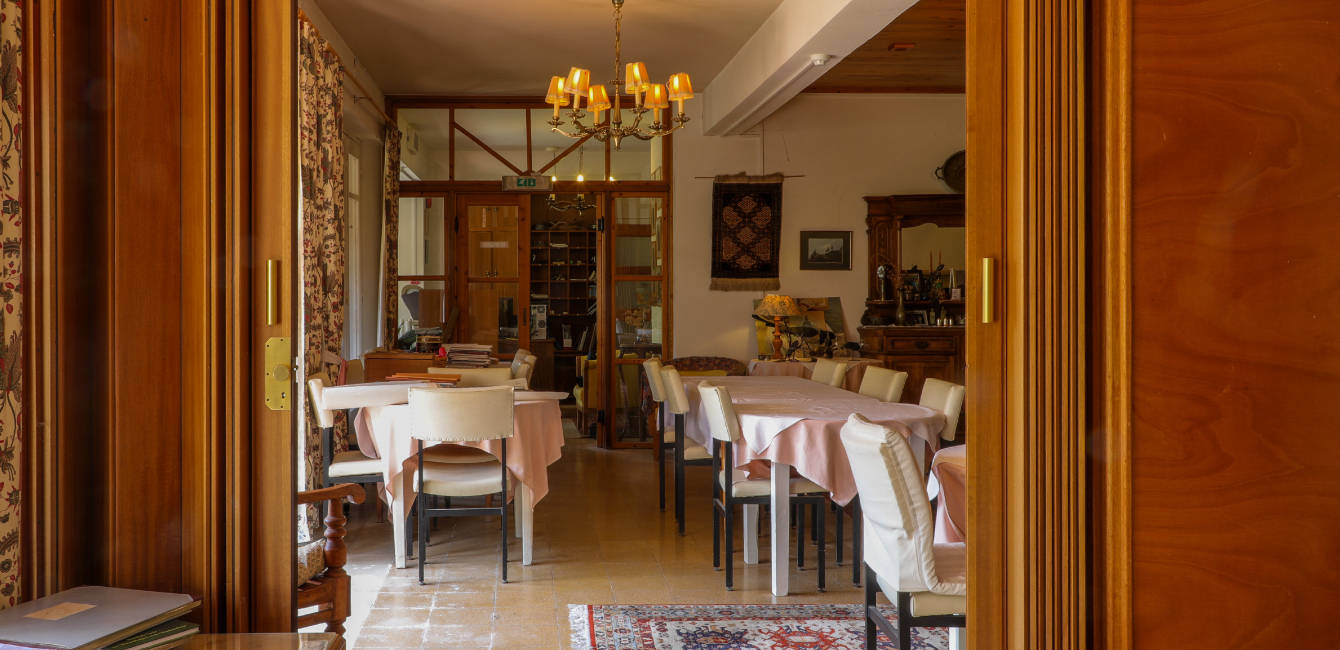
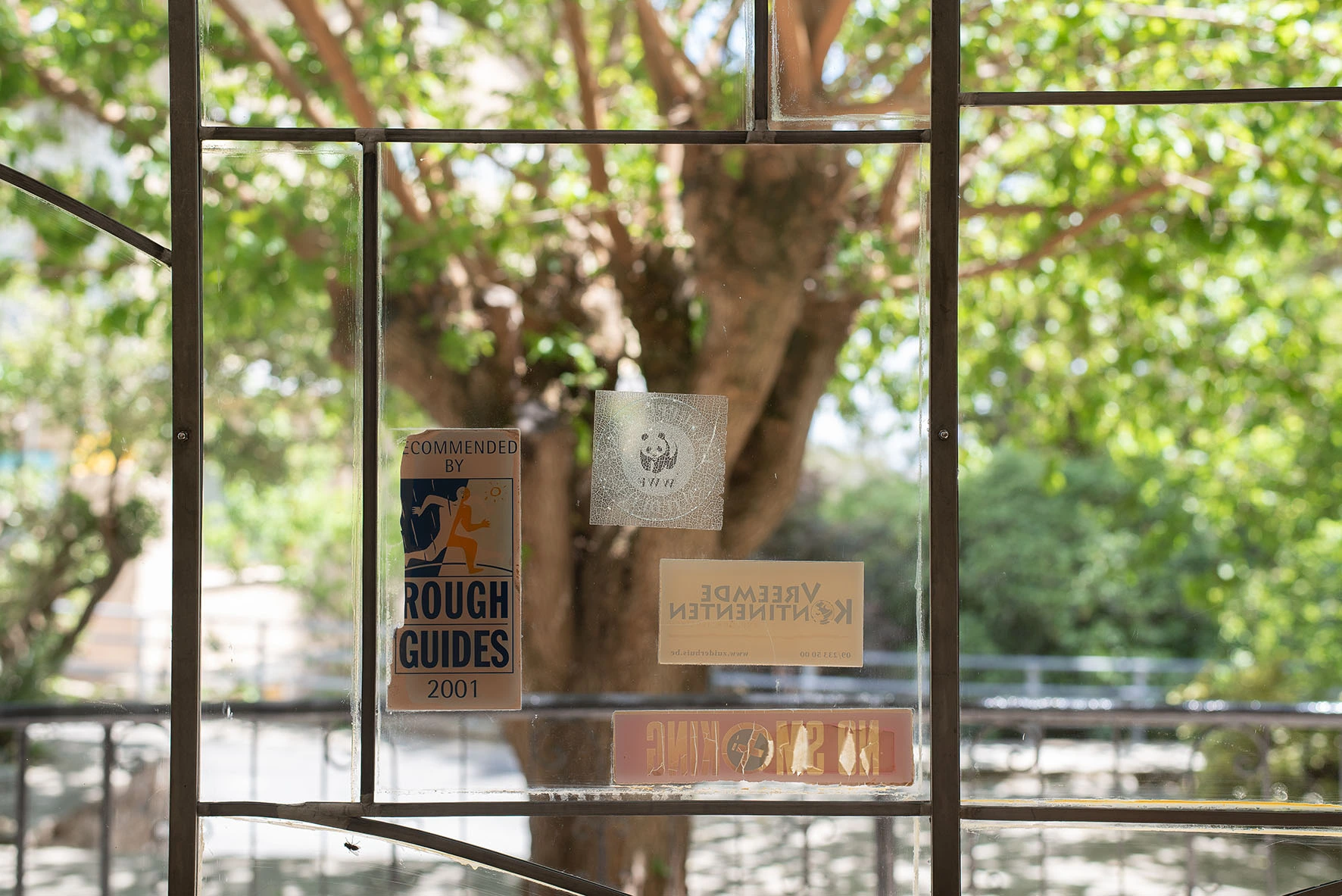
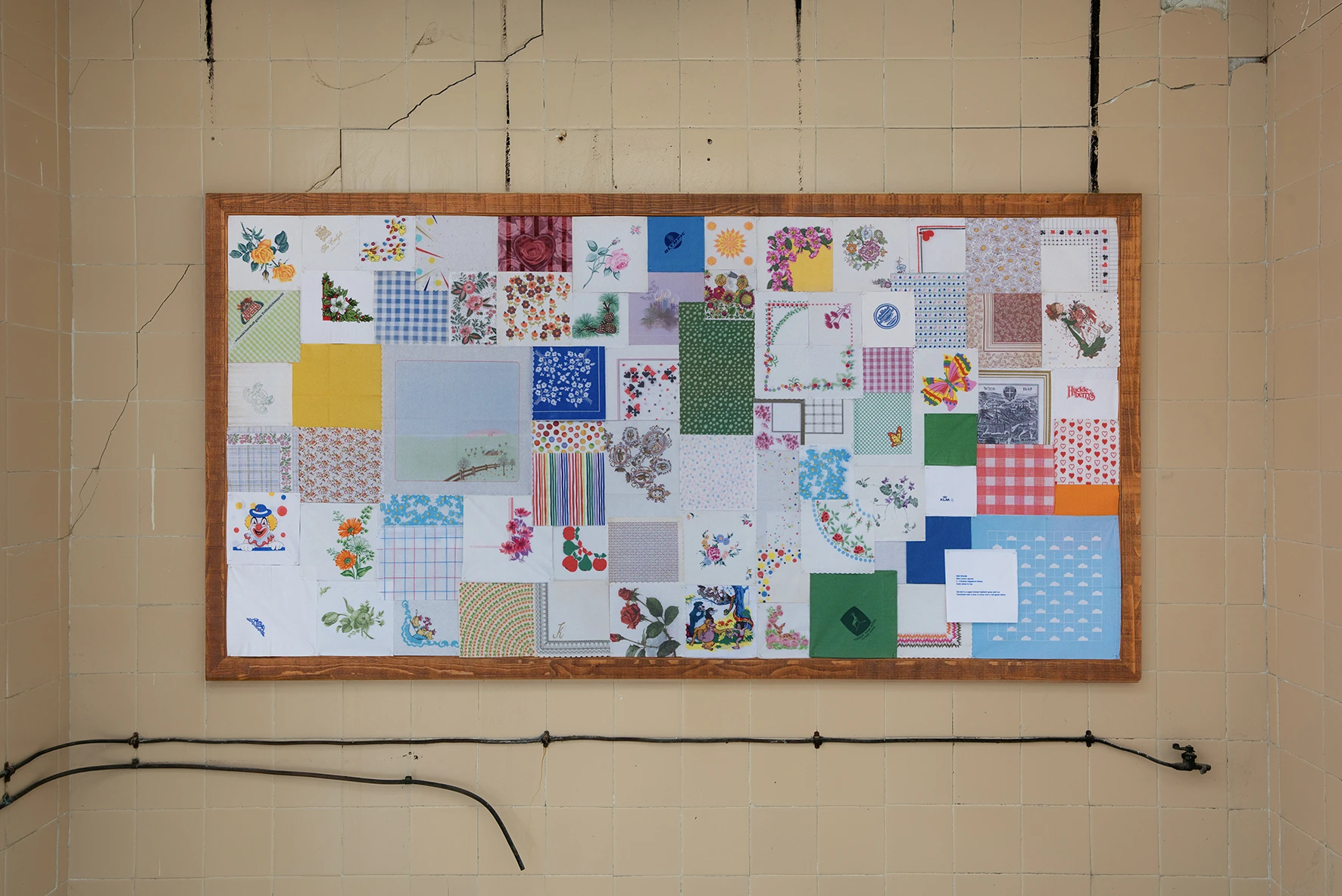
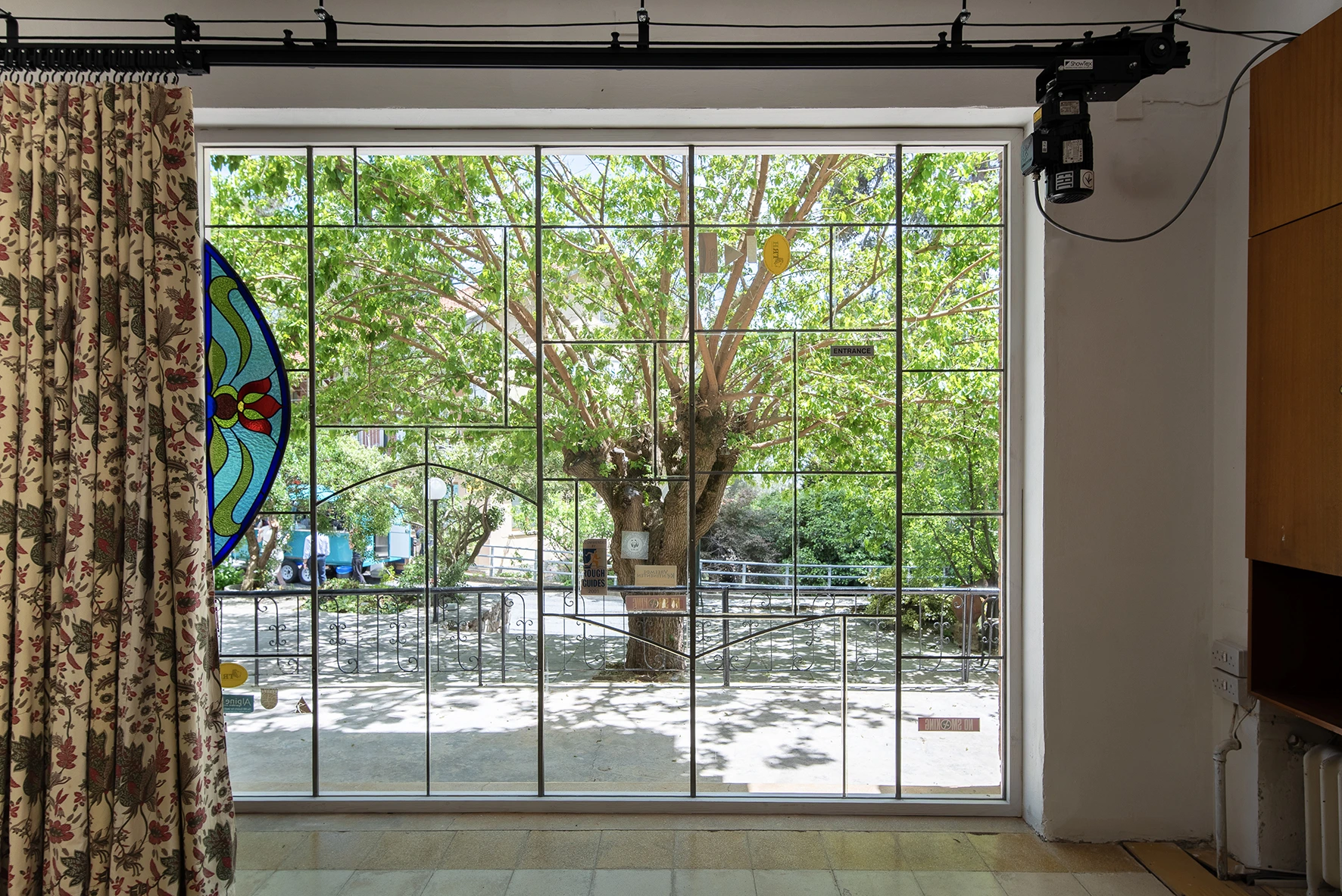
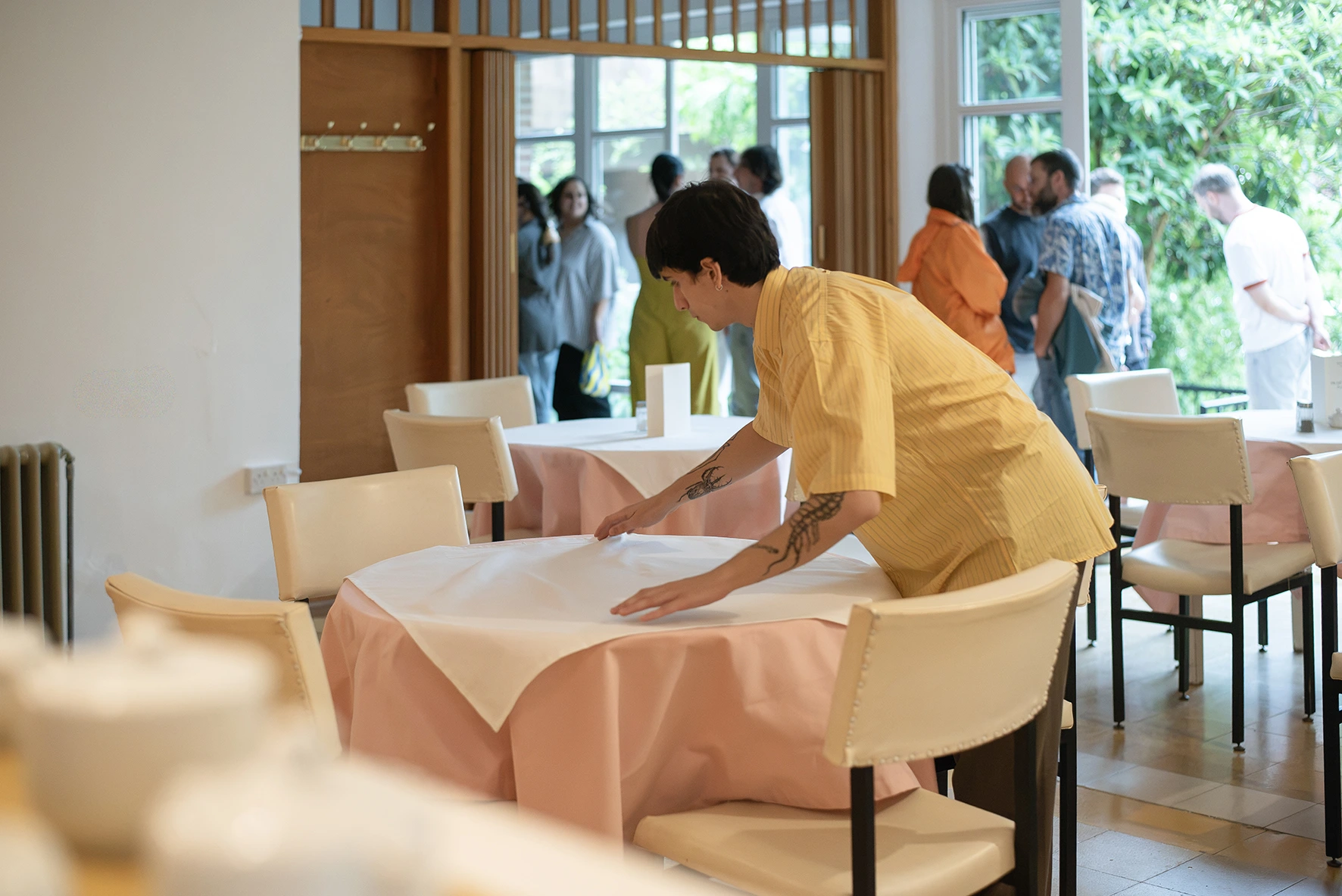
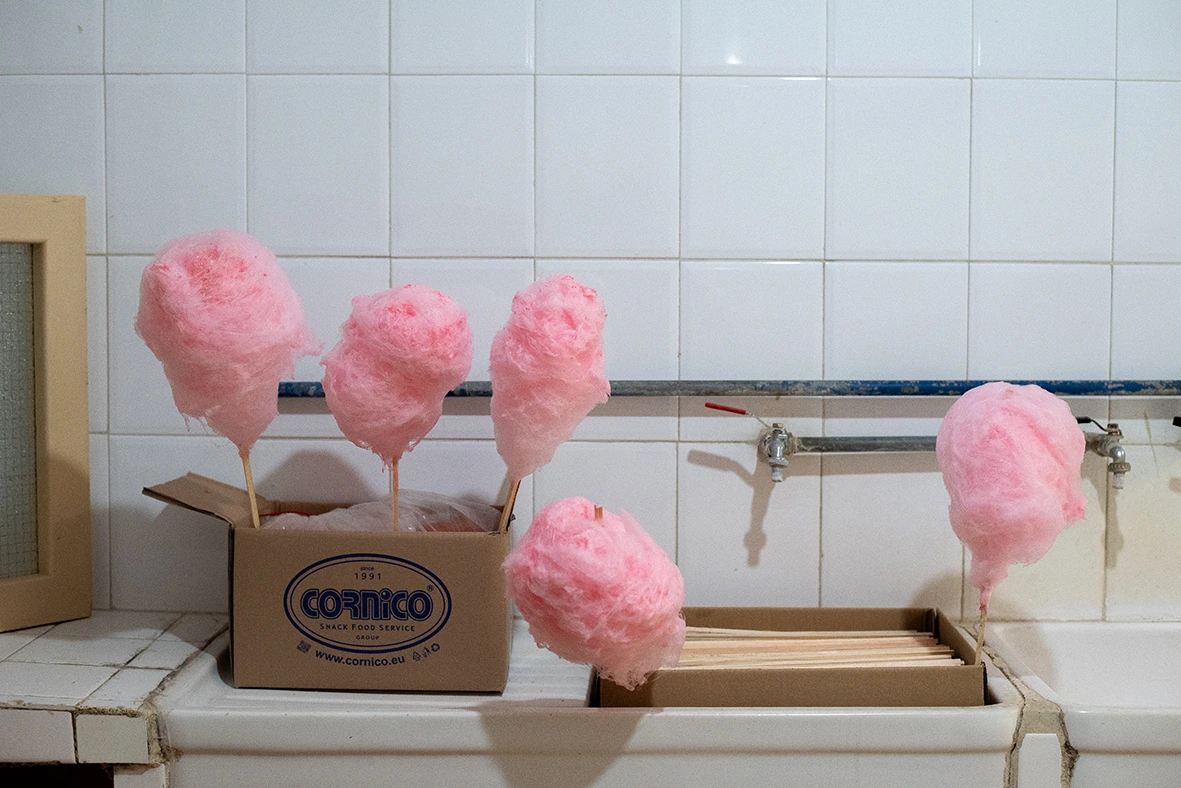
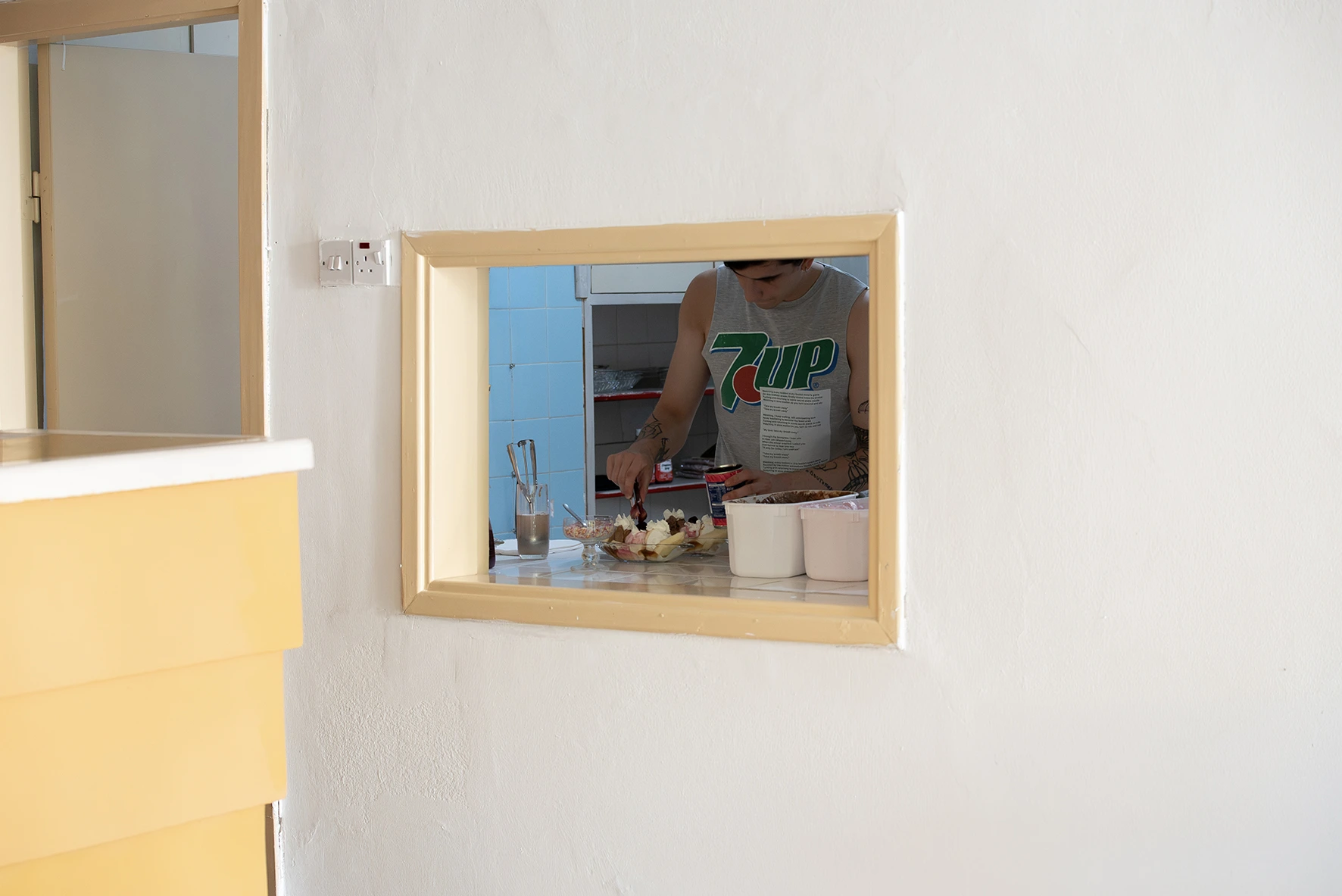
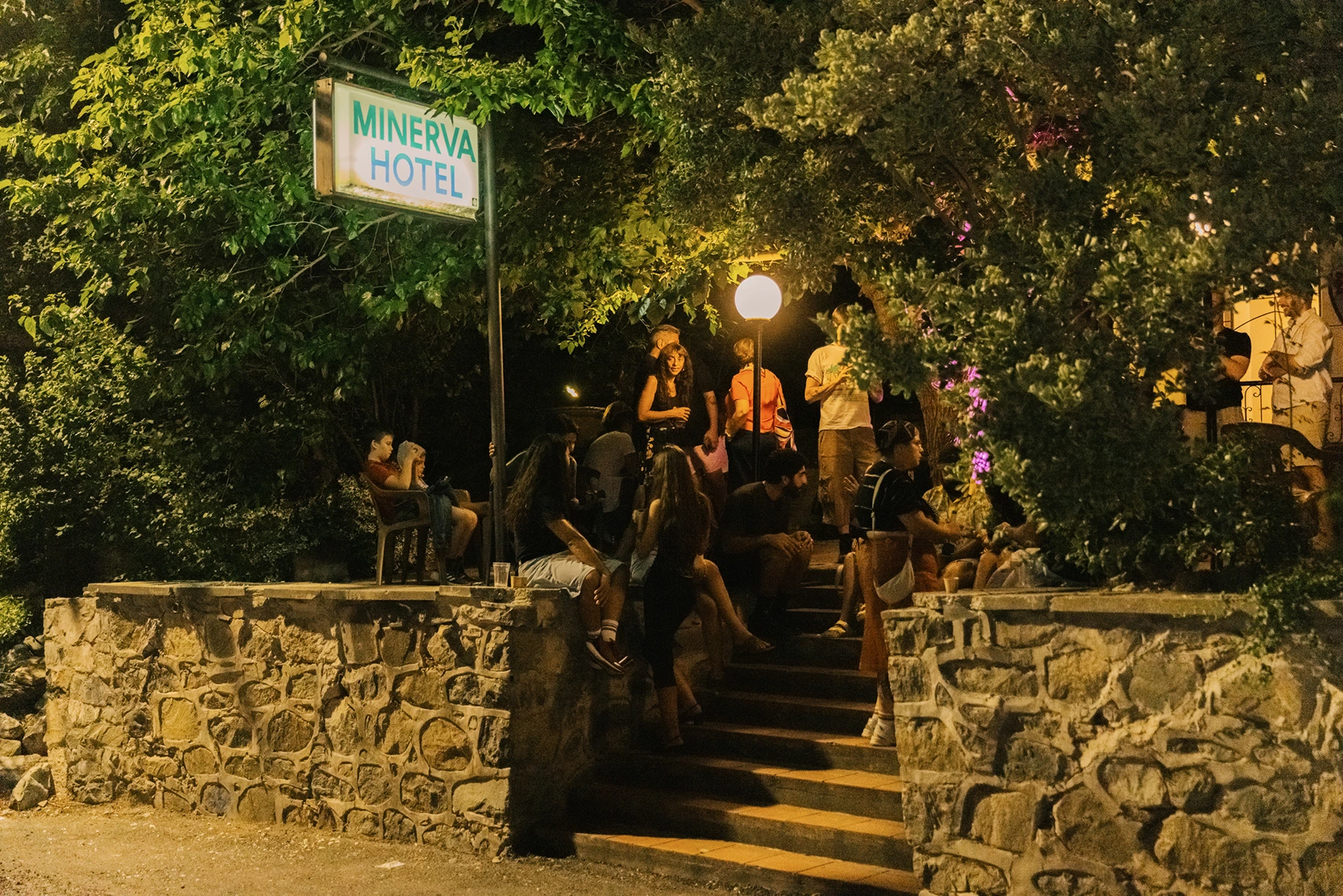
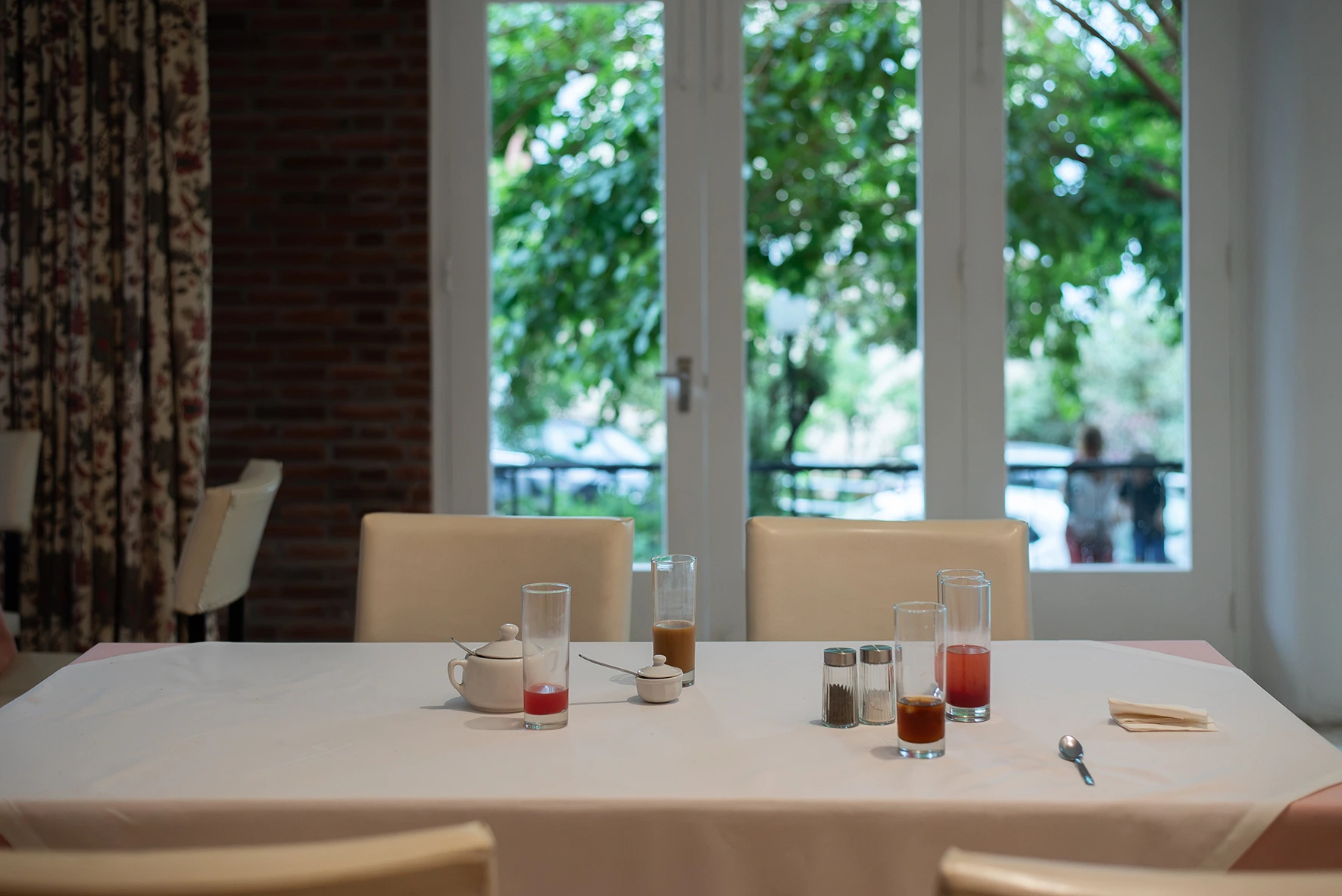
“The Holiday Trilogy” by Christodoulos Panayiotou. A site-specific installation at the Minerva Hotel in Platres, featuring new works commissioned by Pylon Art & Culture.
August Performative Acts:
🎉 Saturday, 8 August, 20:00
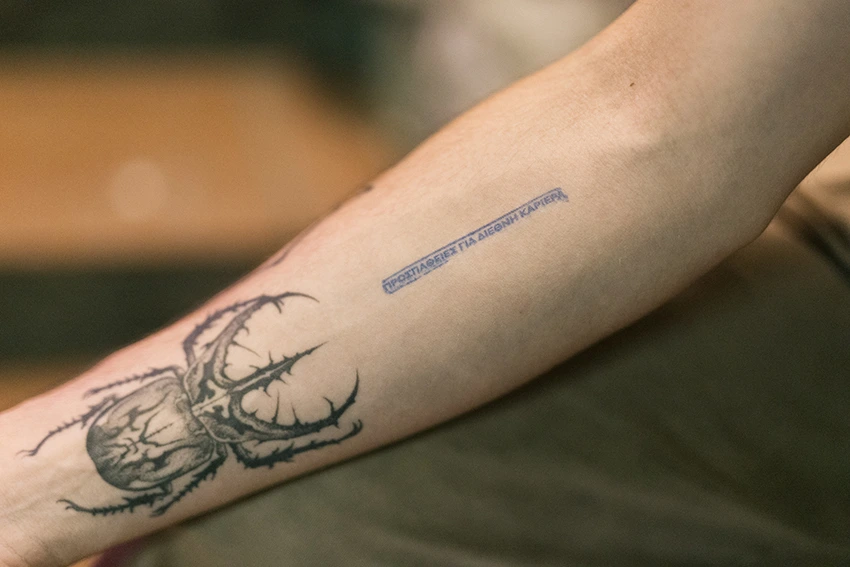
Party “Προσπάθειες για Διεθνή Καρίερα” with DJ Alexandros Pissourios
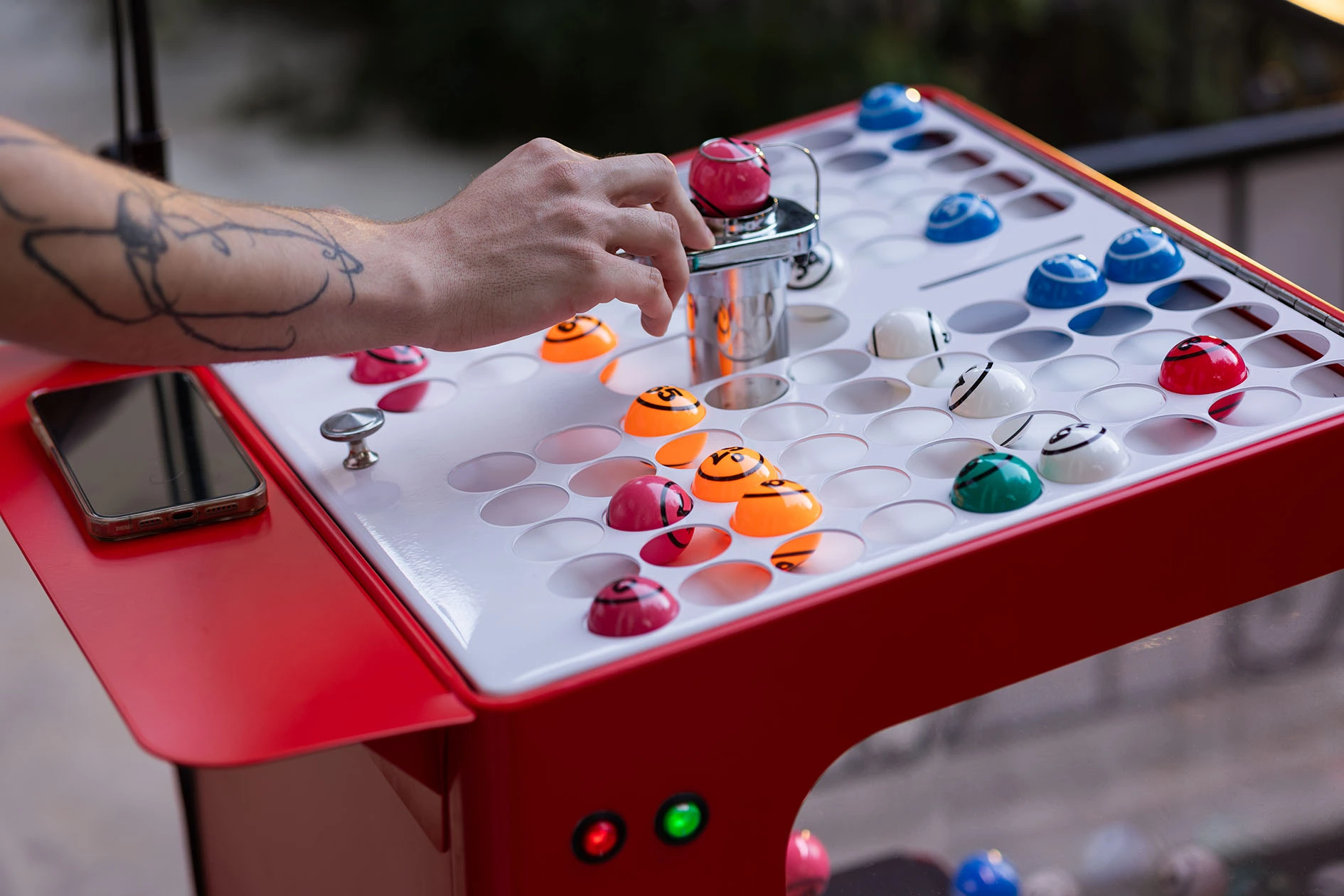
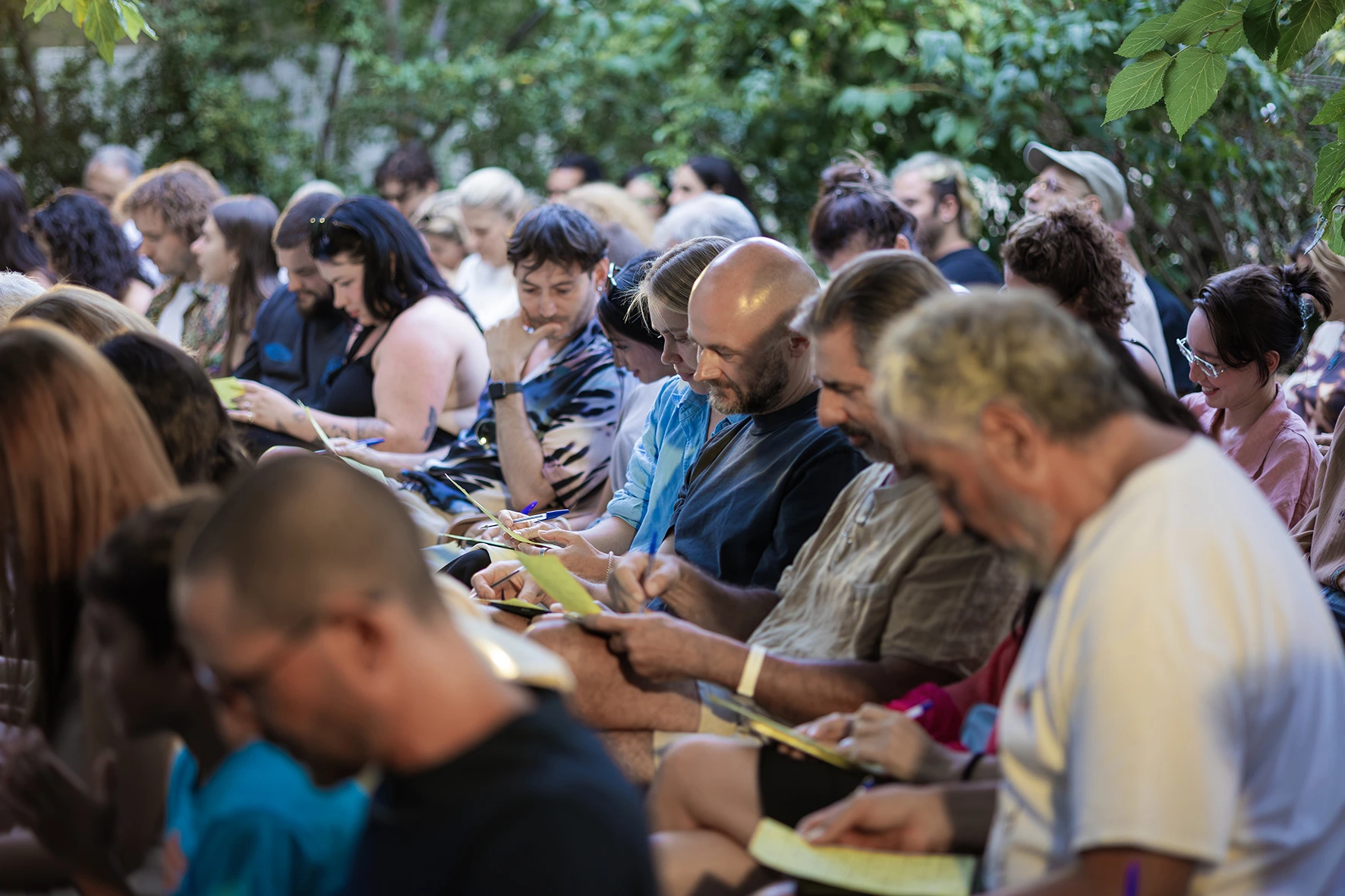
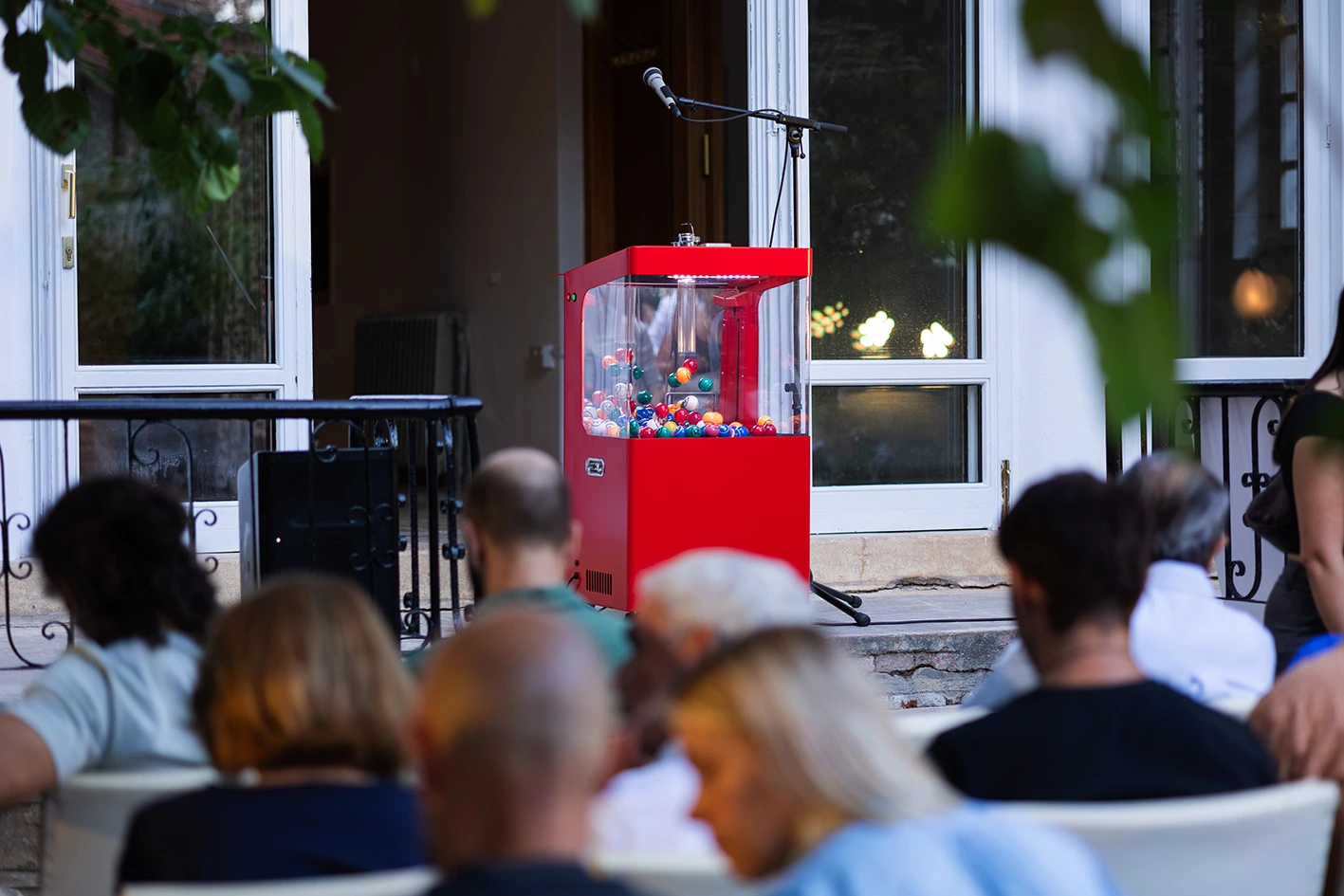
🎱 Sunday, 16 August, 18:00
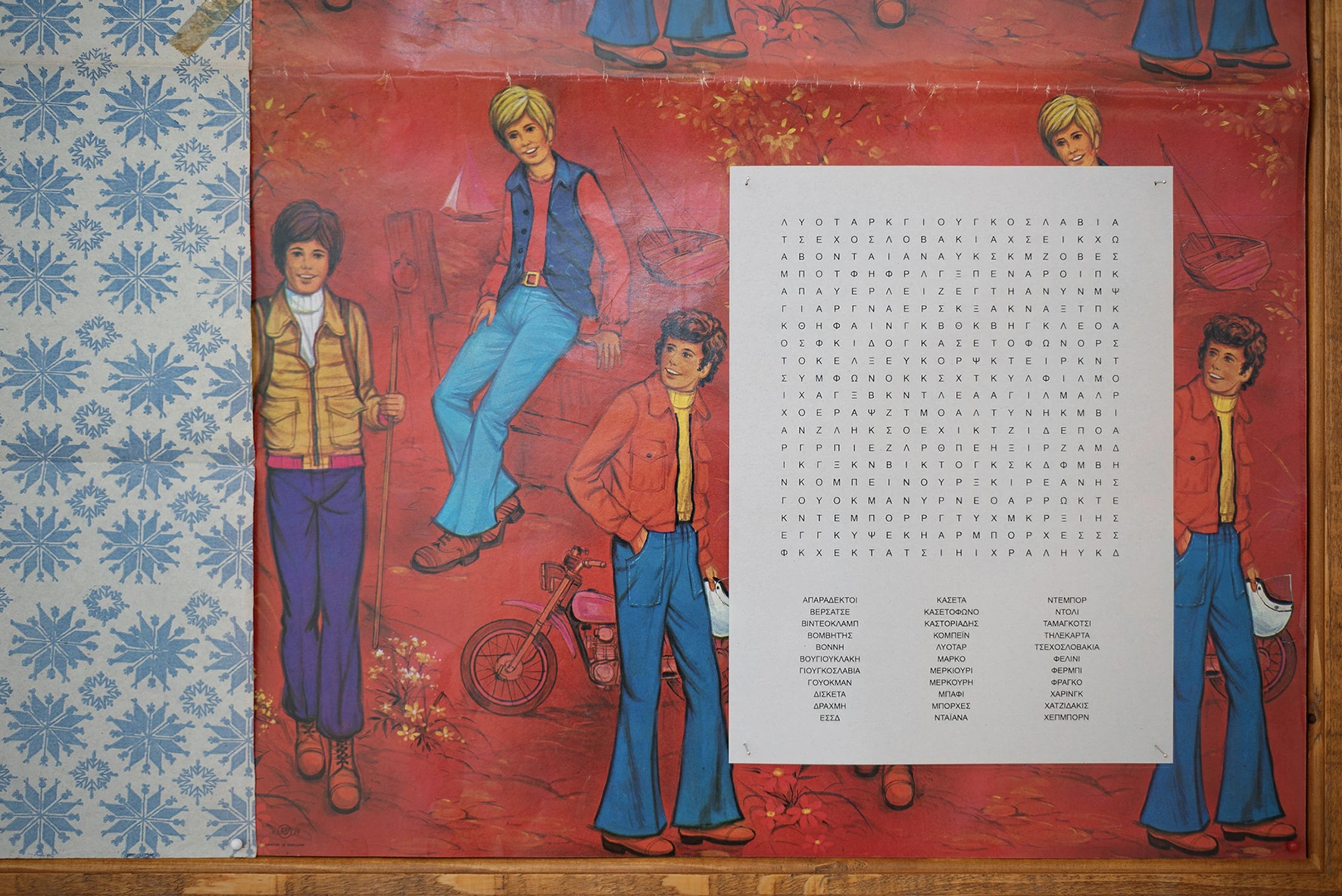
Grand Bingo – works by Christodoulos Panayiotou will be raffled
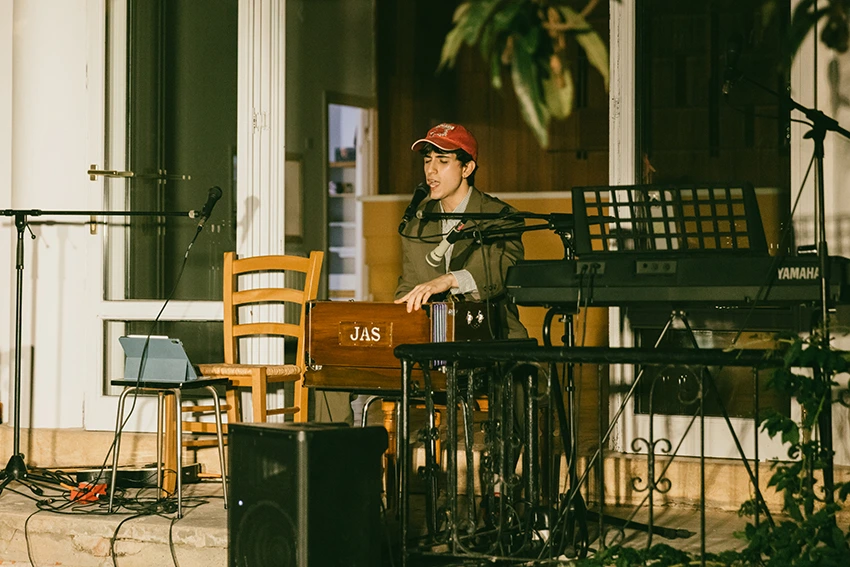
🎵 Saturday, 22 August, 19:00
Musical Performance “Τα τραγούδια του Παραθερισμού” by Thomas Daskalakis & Christodoulos Panayiotou
☕️ Saturday, 29 August
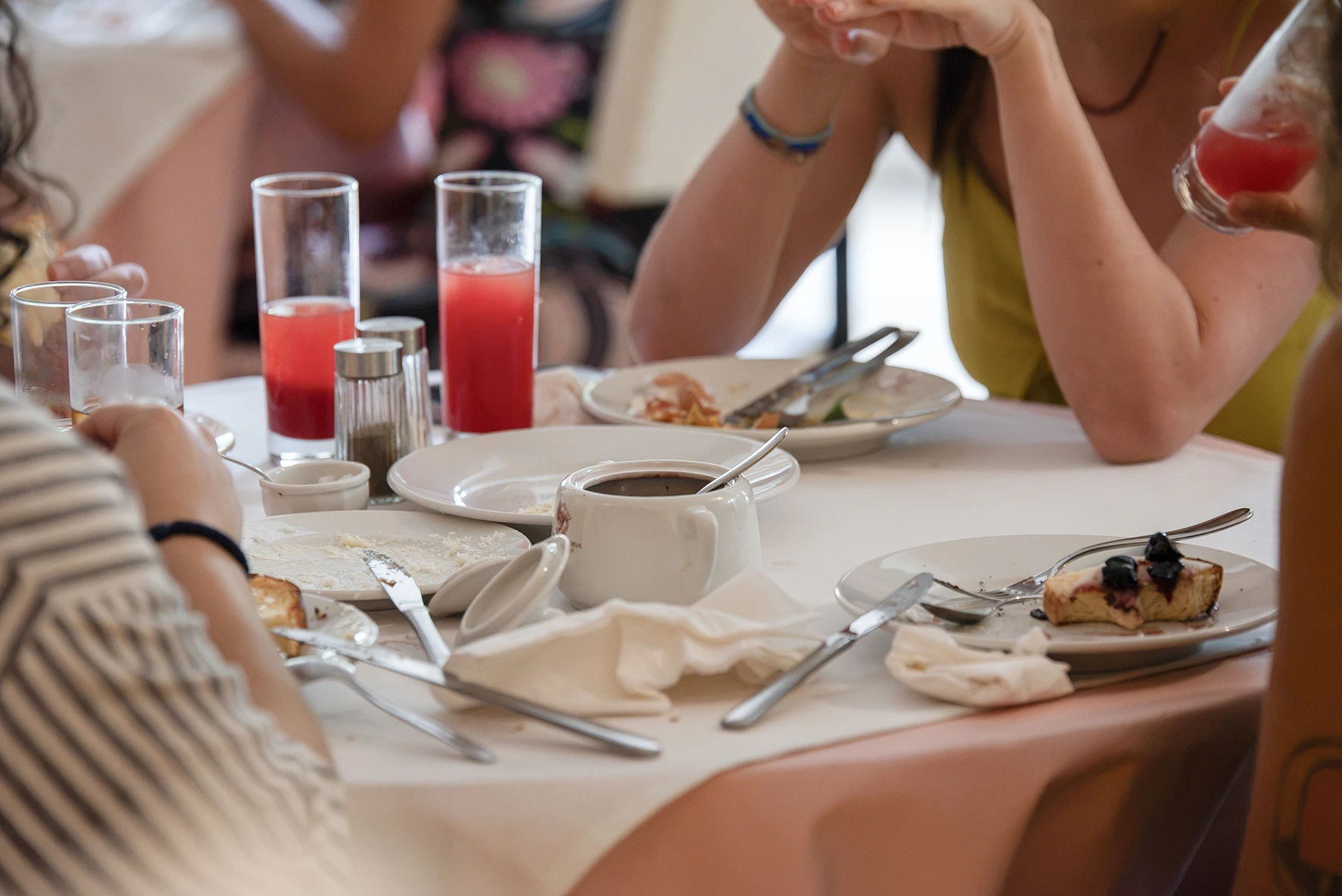
One Last Morning Breakfast – more info TBA (RSVP required only for this act at info@pylon-ac.org / 95950857)
* Admission is free for all the performative acts.
Opening hours:
June–July: First weekend of each month, 11:00 – 18:00 (6–7 June and 4–5 July)
August: Open throughout the month, Wednesday to Sunday 11:00-18:00
[...] I’m borrowing the title from Carlo Goldoni’s "The Holiday Trilogy," a theatrical work I have been studying for years without any predetermined ambition. And although I would wish for the connection with Goldoni to remain parasitic, let this shared title serve as a promise for an exhibition organized dramaturgically in three acts and that maintains the theme of "holidaying" as the primary occasion for the Minerva Hotel to open its doors once again this year.
I suggest, therefore, three distinct sections with three successive invitations, one weekend each month: May, June, and July. In August, the peak of what Goldoni calls the “Holiday Adventures”, I propose we keep the exhibition open for the entire month. An exercise in tautology, hoping to synchronise with the holidaymakers of Platres. For August, I intend to enlist three machines, the first of which I have already produced. […]
[…] Goldoni’s Trilogy was first staged in the autumn of 1761 at the Teatro San Luca. The premiere, on October 4th, coincided—not by chance, I like to believe—with the moment the Venetians were unpacking their luggage, returning from their holidays in the Veneto hinterland and the Riviera del Brenta. Thus, while the audience—the holidaymakers themselves—returned to Venice and its theatres, Goldoni's characters returned (and will always return) to Livorno and their own vanity. Through this wondrous reversal, one theatre was ending and a new one was emerging: the masks of the Commedia dell'arte were falling, only to reveal the theatre of the Enlightenment and the invisible masks of social appearances. Let us hold onto this promise of a return to Goldoni’s text as the culmination of the coming summer and of this wondrous inversion. A return I have begun to prepare by working on the lyrics for a few songs. […]
[…] Platres was invented a hundred and fifty years ago as the setting for a once-new urban mythology, when the British administration decided to construct a Swiss scenery in the Troodos mountains. A process of double exoticization: as much for the English colonizers, who were experimenting with a mountain aesthetic that their flat homeland did not possess, as for the Cypriots, who saw the stone of the region disciplined by the strict geometry of the red brick edges. During that same period, the Teatro San Luca was renamed Teatro Goldoni. Italy had been unified, and the "museumification" of Venice had already begun to serve as one of the first laboratories for that which was being simultaneously invented: modern tourism. [...]
In this context, I believe the history of the translations of the trilogy’s title is itself revelatory—a process of divergence that becomes apparent in the coexistence of my exhibition’s title in Greek and in English. Although I initially hesitated to maintain this heterogeneity (between the Greek Paratherismos—from theros, meaning summer—and the English Holiday), I ultimately find it revealing, as it functions as a summary of the trajectory of summer practices that the trilogy manages today to merge across different timelines.
[…]Even though Goldoni saw his work dynamically transcend the borders of Venice, the Trilogy itself remained remarkably untranslated as a single body of work for two centuries. Even in France, where the author’s success during his lifetime was immense, it was not until Giorgio Strehler’s reading in 1978 that the work was staged in its entirety. The rendering of the title in French as villégiature—also used in Strehler’s historic production—fails to convey the idiosyncratic weight of the Venetian original, despite its etymological kinship with the Goldonian prototype (La Trilogia della Villeggiatura). This difficulty in translating the title is even more pronounced in the Anglophone scene, where the wait was even longer. The first complete English rendering by James Magruder in 1994, titled The Holiday Trilogy, constitutes a historical correction, as the Venetian villeggiatura finds its semantic analogue in the structures of modern tourism.
In Greek now, the path is somewhat different. Although Goldoni already had a strong, albeit fragmentary, presence in the Ionian Islands and in the texts of scholars such as Polyzois Kontos, it was not until 1950 that Gerasimos Spatalas attempted the first complete translation of the trilogy, choosing the term 'Paratherismos' for the rendering of the title. It is a choice that prevailed up until today’s translations, seeking perhaps to bridge the Greek experience of rural retreat with urban leisure—that is, the imaginary of the countryside as a space of escape into nature.
[…] With the invention of tourism, the transformation of Venice into a landmark, and Platres from a small village into a resort, Goldoni’s text is reinvented every summer—and along with it, our relationship with the vanity of withdrawal is reshaped. This movement of titles and of the text itself could constitute, in its own right, a Theater of the Untranslatable. A realm where words cease to be mere names and become evidence of historical shifts—seeking to navigate the distance from the text's historical event, while simultaneously searching for a living connection with the present. […]
[...] The materials of the future were never easy for me; my sensitivity always had a leaning toward the past. I hope, however, that I have organized this leaning in such a way as to recognize, with a necessary resistance, that nostalgia is nothing but a caricature of the old: For the past that has not ended and for the future that does not come, let the Minerva Hotel open again this summer. [...]
[Excerpts from a letter from London, March 18, 2026]
Christodoulos Panayiotou's (b. 1978, Limassol, Cyprus) wide-ranging research focuses on the identification and uncovering of hidden narratives in the visual records of history and time. Solo exhibitions of his work have been held (amongst others) at LUMA Arles; Musée d’Orsay, Paris; Camden Art Centre, London; Moderna Museet, Stockholm; Casa Luis Barragán, Mexico City; the 56th Venice Biennial, The Cyprus Pavilion; Centre de Création contemporaine Olivier Debré, Tours; Kunsthalle Zürich; Casino Luxembourg; CCA Kitakyushu; Museum of Contemporary Art, St. Louis; Museum of Contemporary Art, Leipzig; Centre d’Art Contemporain de Brétigny; and at Point Center of Contemporary Art, Nicosia. In 2019 he collaborated on the conception of the Emma Kunz - Visionary Drawings exhibition at the Serpentine Gallery. His work was also shown in a number of group exhibitions including: the Aichi Triennale 2025; the 14th Lyon Biennial; the 13th Sharjah Biennial; dOCUMENTA (13), Kassel; 8th Berlin Biennale; 7th Liverpool Biennial; the 8th Melle Biennale; Hammer Museum, Los Angeles; Centre Pompidou, Paris; Museion, Bolzano; Migros Museum, Zürich; EMST, Athens; CCA Wattis Institute for Contemporary Arts, San Francisco; Joan Miro Foundation, Barcelona; Witte de With, Rotterdam; Bonniers Konsthall, Stockholm; Philadelphia Museum of Art; Ashkal Alwan Center for Contemporary Arts, Beirut; Artist Space, New York; MoCA Miami.
>DOWNLOAD EXHIBITION GUIDE